Public Engagement
My public engagement work examines how researchers, public institutions, and communities can collaborate more equitably around science, technology, health, and environmental decision-making.
I approach engagement as more than the communication of research findings to a general audience. Meaningful engagement requires creating opportunities for community members to shape the questions researchers ask, the information researchers collect, and the decisions that follow. Across digital engagement and participatory workshops, my work focuses on building reciprocal relationships between research and lived experience.
Engage Wisconsin Together
Centering community perspectives in climate, energy, and environmental health research
As a project assistant for an NIH-funded project, I built Engage Wisconsin Together under the supervision of Prof. Kaiping Chen. Engage Wisconsin Together is an online platform designed to involve Wisconsin residents in conversations about environmental health, energy development, and climate policy. The platform brings together community advisory groups, environmental health researchers, policy experts, and data science teams. The project’s broader goal is to help ensure that everyday experiences inform climate and energy decisions of the communities most affected by them.
Project areas: Digital public engagement · Climate and environmental health communication · Public deliberation · Community-informed policy research



Co-Designing Data-Driven Futures
Exploring how communities can shape the environmental data systems that affect them
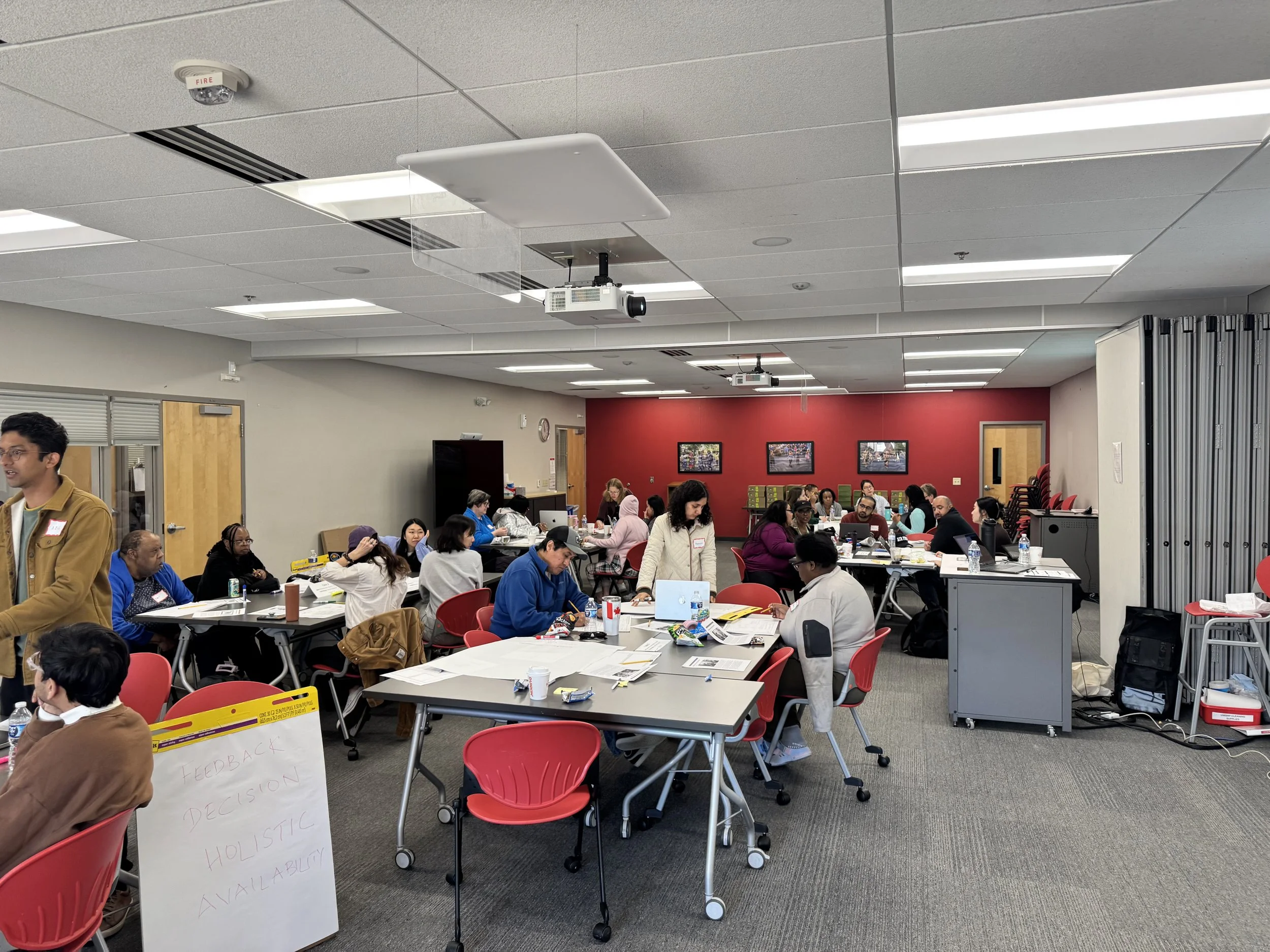
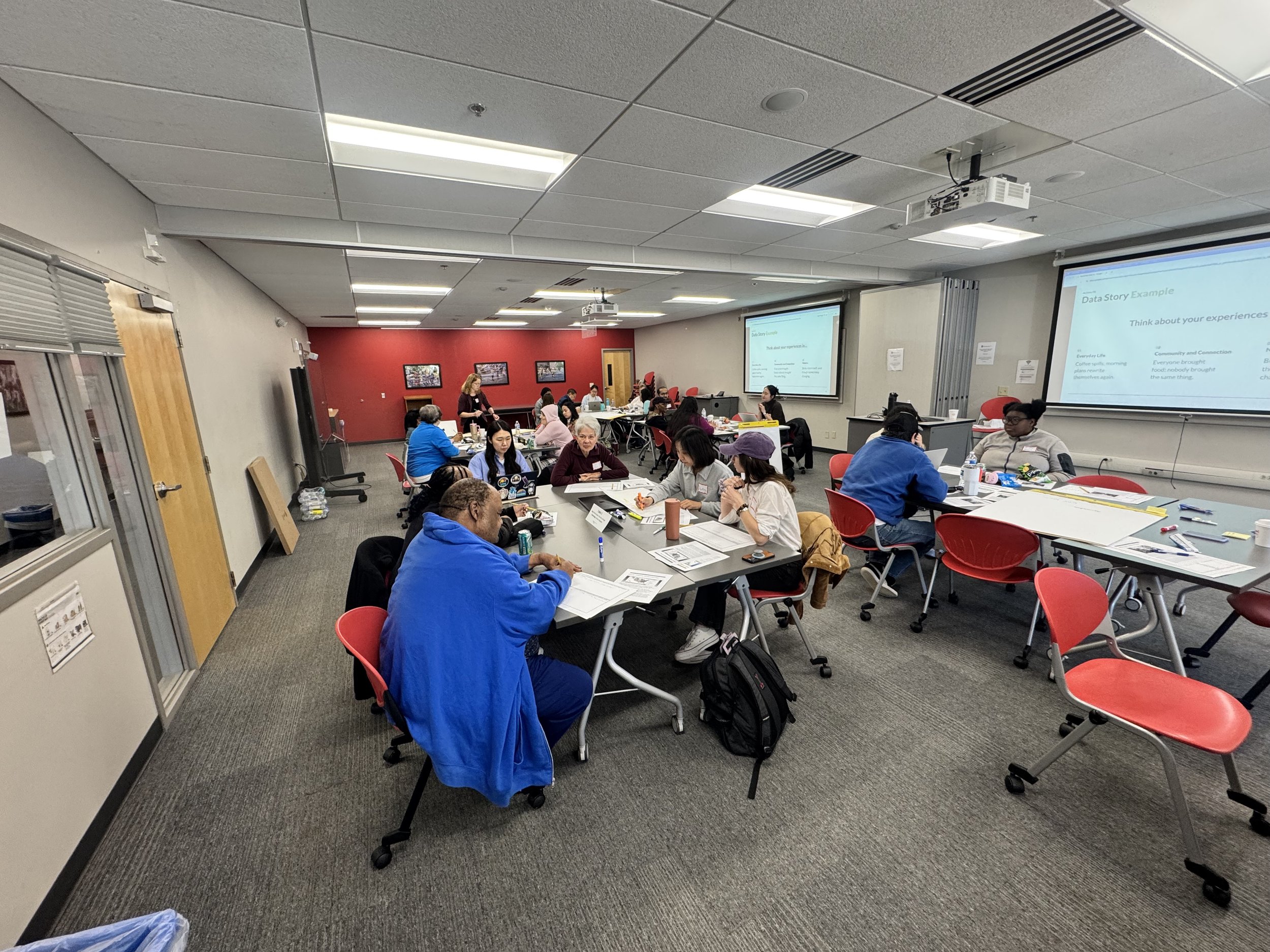
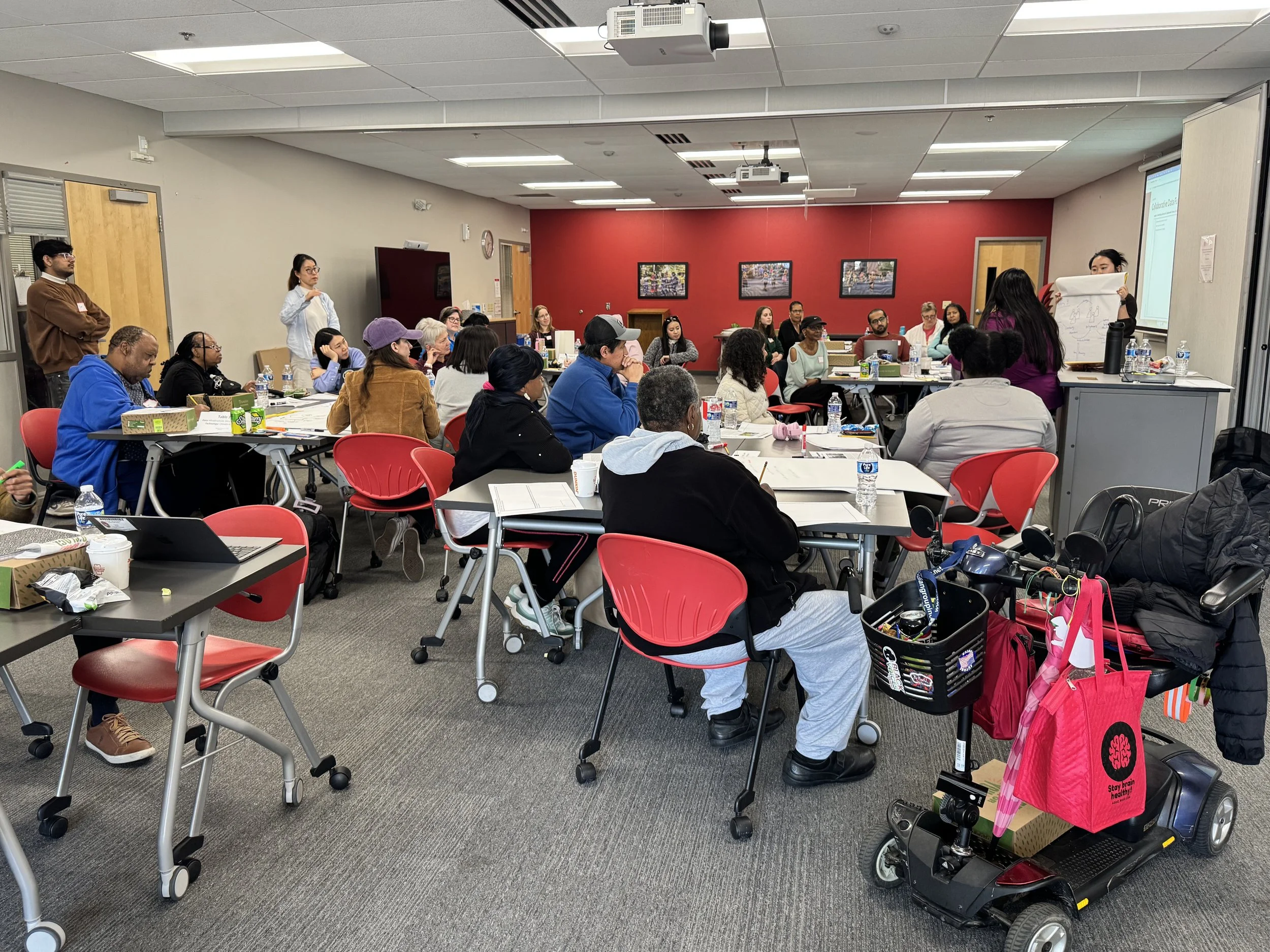
Co-Designing Data-Driven Futures was a participatory workshop, led by Prof. Corey Jackson and Prof. Kaiping Chen, that brought Madison-area residents together to examine how environmental information moves through research and government systems.
Participants explored examples such as heat-sensor readings and well-water testing data, considering how information is collected, interpreted, shared, and used in public decision-making. Workshop activities asked participants to identify where existing systems reflect, or fail to reflect, community needs, values, and lived experiences. The workshop treated residents as co-designers rather than research subjects. This approach recognizes that environmental data systems are not neutral technical infrastructures, as decisions about what to measure, how to categorize information, and who receives access can shape which problems become visible and which communities receive institutional attention. My contribution included facilitating workshop activities, documenting participant discussions, and contributing to the public report.
Project areas: Participatory design · Environmental data justice · Community workshops · Public-sector data systems